Colloquia
“Contingency of Structures: Triggers and the Social Geography of Revolutionary Episodes in Iran, 2017-2022”
Abstract: What drives the uneven geographic spread of revolutionary episodes? While structural approaches emphasize pre-existing fault lines, contingency approaches highlight emergent processes. We synthesize these perspectives, arguing that specific triggers shape a revolutionary episode’s social geography by activating certain fault lines while leaving others dormant. Through a comparative analysis of three revolutionary episodes in Iran (2017–2022), each with a distinct trigger, we demonstrate how different triggers shape patterns of contention. Using event-history and spatial regression analysis of subnational protest data alongside socioeconomic and political variables, we show that a fuel price hike activated grievances in oil-producing areas, while a repressive event targeting a woman from an ethnic and religious minority mobilized protests in minority-populated districts. Our findings illustrate how triggers structure revolutionary mobilization, offering broader insights into the interaction between structural conditions and contingent events in contentious politics.
Bio
(From https://www.mohammadalikadivar.com/)
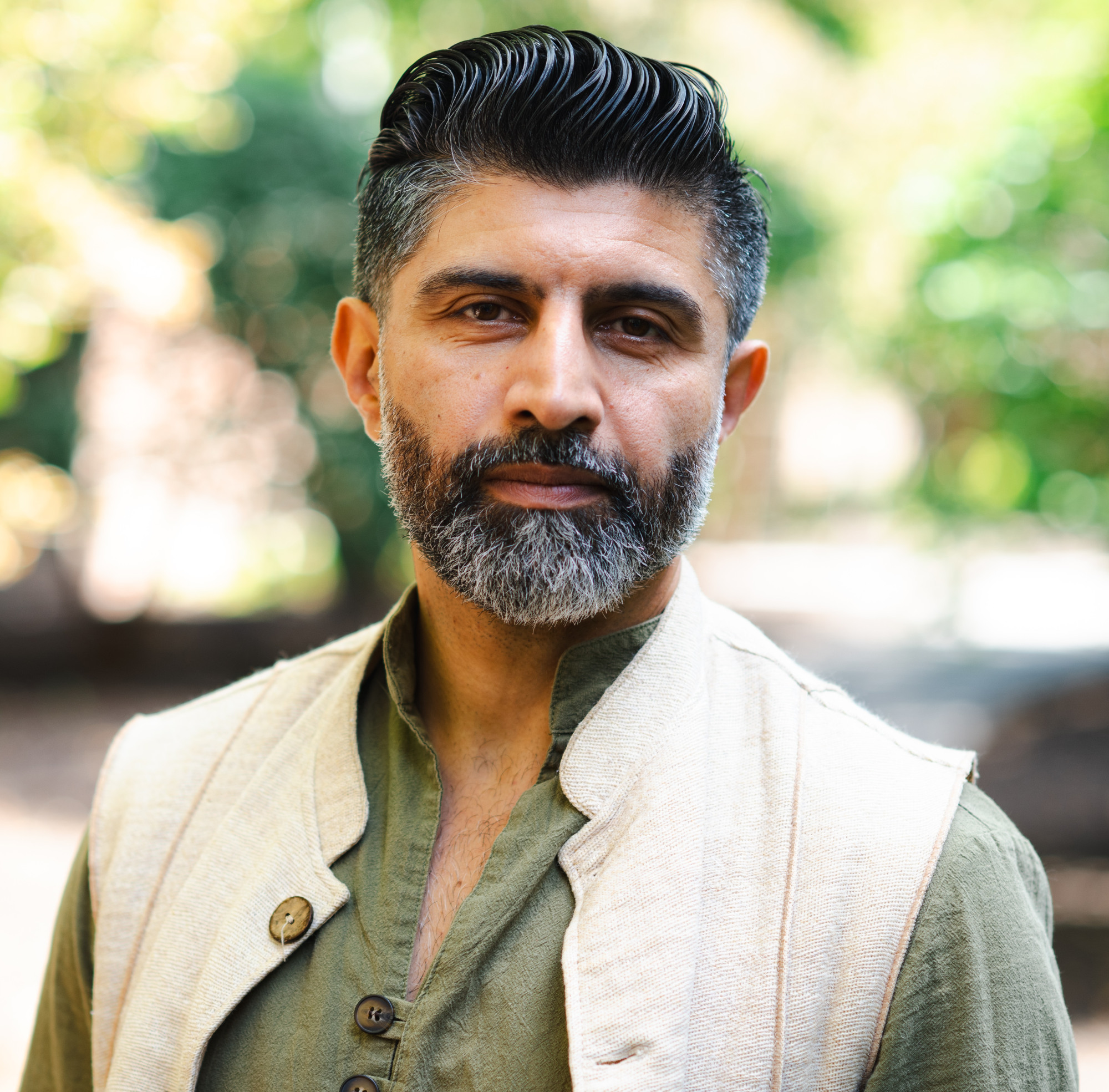 Mohammad Ali Kadivar is a Fellow at the Radcliffe Institute for Advanced Studies at Harvard University and an Associate Professor of Sociology and International Studies at Boston College. He holds a PhD in Sociology from the University of North Carolina at Chapel Hill, and earned a MA and BA in political science from the University of Tehran in Iran. From 2016 to 2018, Kadivar was a postdoctoral fellow at the Watson Institute for International and Public Affairs at Brown University. His work contributes to political and comparative-historical sociology by exploring the causes, dynamics, and consequences of protest movements. This work grows out of his experience as a participant-observer of the pro-democracy movement in Iran, but his research agenda moves outward from this case to explore these issues on a global scale, using case studies, comparative-historical methods, and statistical analyses.
Kadivar’s research has been published in the American Sociological Review, Social Forces, Comparative Political Studies, European Sociological Review, Comparative Politics, Socius, Mobilization, Sociology of Development, Empirical Economics and has won awards from the Collective Behavior and Social Movement (CBSM), Comparative Historical Sociology, Global and Transnational Sociology, Sociology of Development, and Peace, War and Social Conflict sections of the American Sociological Association (ASA). Kadivar's first book Popular Politics and the Path to Durable Democracy has been published in November 2022 with Princeton University Press.