Colloquia
“Engage and Evade: How Latino Immigrant Families Manage Surveillance in Everyday Life.”
Abstract: Engage and Evade examines how undocumented immigrants navigate complex dynamics of surveillance and punishment, providing an extraordinary portrait of fear and hope on the margins. Asad L. Asad brings together a wealth of research, from intimate interviews and detailed surveys with Latino immigrants and their families to up-close observations of immigration officials, to offer a rare perspective on the surveillance that undocumented immigrants encounter daily. He describes how and why these immigrants engage with various institutions—for example, by registering with the IRS or enrolling their kids in public health insurance programs—that the government can use to monitor them. This institutional surveillance feels both necessary and coercive, with undocumented immigrants worrying that evasion will give the government cause to deport them. Even so, they hope their record of engagement will one day help them prove to immigration officials that they deserve societal membership. Asad uncovers how these efforts do not always meet immigration officials’ high expectations, and how surveillance is as much about the threat of exclusion as the promise of inclusion. Calling attention to the fraught lives of undocumented immigrants and their families, this book proposes wide-ranging, actionable reforms to achieve societal inclusion for all.
Bio
(From https://www.asadasad.org)
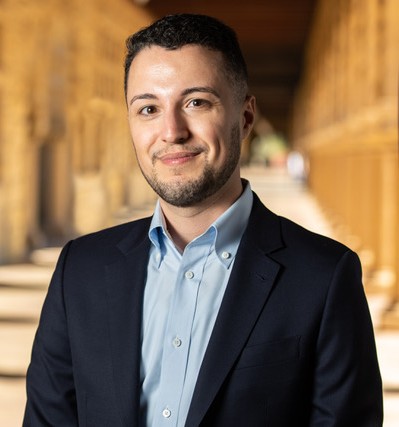 Asad L. Asad is Assistant Professor of Sociology and a faculty affiliate at the Center for Comparative Studies in Race and Ethnicity (CCSRE) at Stanford University. His research uses the U.S. immigration system as a lens for studying how institutional categories—namely, citizenship and legal status—relate to social control and inequality. Current research projects examine the effects of immigration enforcement on health, the federal judiciary's role in immigration enforcement, and the capacity of immigrant-serving organizations to transform the U.S. immigration system.